10 Best Printer Ink of 2026, Researched & Ranked
Nobody enjoys buying printer ink. It is the purchase that reminds you the printer was the cheap part, and the shelf is full of names you have never heard of promising to solve it. Some of them will. Most of them will not. My pick is the Epson 502 EcoTank Ink Bottle Color Combo Pack, because bottles cost a fraction per page of what cartridges do.
I have ranked ten options below on cost per page first, then on whether they cause trouble. Two things to know before you shop: your printer model decides almost everything, and third-party ink does not void a warranty in this country whatever the packaging implies.
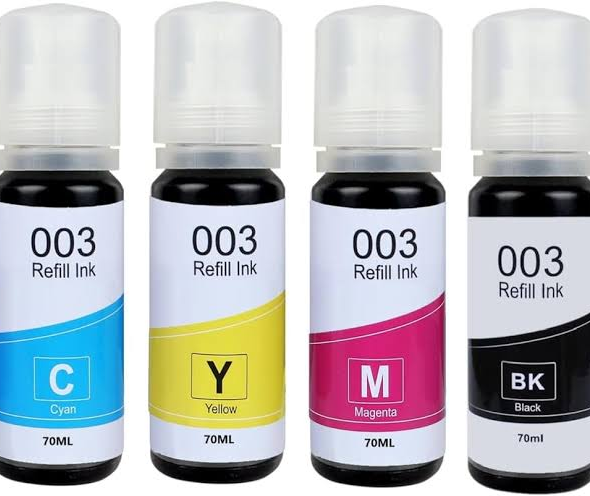

- Cost per page: Cost per page is a fraction of what any cartridge system can manage
- Page yield: One set is rated for roughly 6,000 color pages on Epson figures
- Print durability: Genuine Epson pigment holds up well on plain office paper over time
- Printer fit: Covers the EcoTank ET-2700 through ET-4700 families without adapters
- Chip behavior: No chip at all, because bottles pour into a tank rather than clicking in
- Packaging and storage: Sealed bottles keep for around two years unopened in a cupboard
- Printer needed: Only useful if you already own a tank printer, obviously
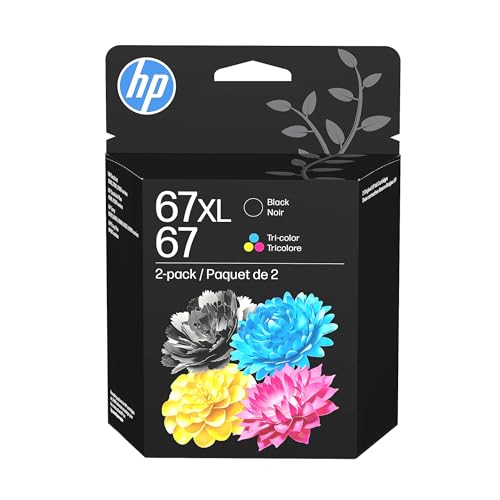
- Cost per page: Cost per page is fair for a cartridge system, though far above a tank
- Page yield: The high-yield black is rated at roughly 400 pages before replacement
- Print durability: Genuine HP ink resists smudging on plain paper better than most copies
- Printer fit: Covers the DeskJet 1255 and 2700 ranges plus the Envy 6000 series
- Chip behavior: No firmware complaints, because the printer recognises its own cartridges
- Packaging and storage: Recycling envelope included, and the sealed foil keeps the head primed
- Cartridge cost: Cartridge printing costs many times what a tank system does

- Cost per page: Cost per page improves over the standard cartridges by a useful margin
- Page yield: The XL versions of both cartridges hold noticeably more ink than standard
- Print durability: Canon pigment black genuinely resists smearing on ordinary copier paper
- Printer fit: Fits the PIXMA MG, MX and TS entry families without any adapter
- Chip behavior: Genuine Canon chips, so no level-reporting or recognition problems arise
- Two cartridges only: A tri-color cartridge means one empty colour wastes the rest

- Cost per page: Cost per page comes closer to a tank system than any cartridge here
- Page yield: Each colour is rated at roughly 1,500 pages, which is unusually high
- Print durability: Brother ink lays down cleanly and resists fading on filed documents
- Printer fit: Fits the MFC-J995DW and MFC-J805 families that use this cartridge
- Chip behavior: Genuine chips, so the printer reports levels accurately throughout
- Printer range: Only fits a fairly narrow set of Brother machines

- Cost per page: Cost per page lands at roughly a third of the genuine equivalent
- Page yield: Four separate colours, so one empty tank does not waste the others
- Print durability: Print quality on plain paper is close enough that most eyes miss it
- Printer fit: Fits the XP-4200, XP-4205 and WF-2930 families as listed clearly
- Chip behavior: Chips arrive pre-installed and report ink levels to the printer properly
- Photo output: Photo colour accuracy trails the genuine cartridges quite noticeably
- Batch variation: Remanufactured shells vary a little between the production batches
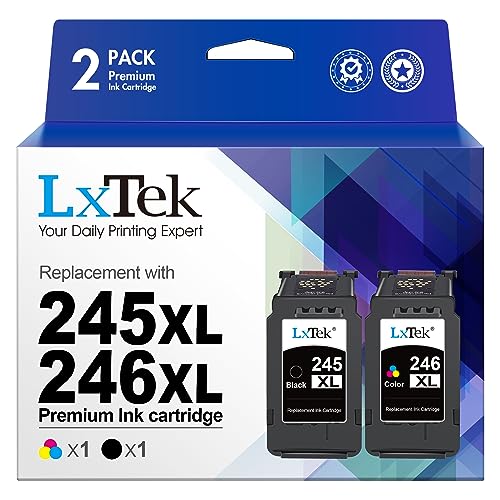
- Cost per page: Cost per page is roughly half what the genuine Canon value pack asks
- Page yield: Ink volume matches the XL cartridges rather than the standard ones
- Print durability: Output on plain paper is solid, though the black is less water resistant
- Printer fit: Fits the PIXMA MG2522, TS3122 and TR4520 machines as advertised
- Black ink: The black is dye-based, so it smears where pigment would not
- Head priming: Occasionally needs a cleaning cycle before it prints properly

- Cost per page: Cost per page is roughly a third of the genuine 63XL cartridge
- Page yield: Volume exceeds the standard cartridge and matches the high-yield version
- Print durability: Plain paper output is dependable, with colour that holds up reasonably
- Printer fit: Fits Envy 4520, OfficeJet 3830 and DeskJet 3630 machines as listed
- Firmware risk: An HP firmware update can occasionally reject non-genuine cartridges
- Colour shift: Colour reproduction drifts a little from the genuine reference

- Cost per page: Cost per cartridge is the lowest of anything on this whole list
- Page yield: Yield is respectable for the outlay, though below the genuine XL figures
- Print durability: Print quality is adequate for homework, forms and everyday documents
- Printer fit: Fits the same PIXMA entry machines the genuine value pack covers
- Chip behavior: Compatible chips report levels, so the printer does not complain loudly
- Print quality: Output is clearly a step below the genuine Canon cartridges
- Yield claims: The rated yields feel optimistic against real-world printing habits
- Photo work: Not a set I would use for anything printed on photo paper

- Cost per page: Cost per page is roughly on a par with the 502 set at the top
- Page yield: Rated for about 4,500 black and 7,500 colour pages in one purchase
- Print durability: Genuine Epson formulation, so nozzle clogging is very rarely an issue
- Printer fit: Covers the ET-2800, ET-2850, ET-4800 and ET-4850 machines exactly
- Wrong model risk: Easy to buy this when your printer wants the 502 instead
- Upfront cost: One purchase covers a long period, so it feels expensive

- Cost per page: Cost per page is reasonable for an office machine printing in volume
- Page yield: Rated at roughly 2,000 pages, which suits a busy small office well
- Print durability: Pigment black resists highlighter and damp far better than dye ink
- Printer fit: Fits the OfficeJet 9010, Pro 9015 and Pro 9025 machines directly
- Black only: Black only, so colour has to be bought separately alongside
- Genuine cost: Genuine cartridges cost well above the third-party options here
The Ten Picks, Ranked
Ranked on cost per page and rated yield, then on how well the ink holds up on the page. Chip behavior and packaging settle the close calls.
#1 · Editor's Choice
Epson 502 EcoTank Ink Bottle Color Combo Pack
I want to be honest about what this recommendation really is. It is not advice about ink so much as advice about printers, because the enormous saving here comes from the tank system rather than the liquid.If you own an EcoTank, buy these and stop reading. A set of bottles costs roughly what a couple of cartridge multipacks do and prints many times as much. There is only one catch, though, and it is a large one: none of this helps unless the printer takes bottles in the first place.
The verdict: The cheapest printing available, provided the printer takes bottles.
#2 · Runner-Up
HP 67XL High Yield And Tri-Color Ink Cartridges
If you own a DeskJet or an Envy, this is the pairing to buy. High-yield black with a standard tri-colour is the right combination for how most households print, which is mostly documents with the occasional photo.Buying genuine here does buy something real. The printer accepts the cartridges without firmware objections, and HP ink resists smudging better than most copies I have compared. What it cannot escape is the arithmetic: cartridge printing costs many times what a tank costs per page, and no amount of high-yield branding changes that.
The verdict: The right genuine pack for an Envy or DeskJet, at cartridge prices.
#3 · Best For Canon
Canon PG-245XL And CL-246XL Ink Cartridge Value Pack
Canon's pigment black is the reason I would pay for genuine here. Dye-based blacks smear if a highlighter goes near them, and pigment does not, which matters if anything you print gets handled or filed.The XL pair is the version to buy, since the standard cartridges empty almost immediately. Photo paper is included, which is a small bonus. The structural annoyance is the tri-colour cartridge: run out of magenta and you throw away the cyan and yellow with it. That is Canon's design rather than this pack's fault.
The verdict: The pack to buy for a PIXMA, and the pigment black earns its keep.
#4 · Best For Brother
Brother LC3033 Super High Yield Color Ink Cartridges
Brother built something clever here and almost nobody talks about it. The cartridge feeds a reservoir inside the printer, so it behaves like a small tank system while still being a cartridge you can swap in seconds.The result is a cost per page much closer to a bottle-fed printer than to an ordinary cartridge one, and a set that lasts a light household most of a year. I like that it needs no funnel and no waiting. The catch is fit: this cartridge suits a fairly narrow range of Brother machines, so check the model before ordering.
The verdict: Cartridge convenience at close to tank economics, on the right printer.
#5 · Best Third Party
E-Z Ink Remanufactured 232XL Ink Cartridge Four Pack
The third-party shelf is mostly a lottery, so what I look for is a seller who has been trading long enough to have a return record. E-Z Ink is one of a small number that qualifies.These are remanufactured from returned genuine shells rather than moulded copies, and the chips work properly, which is where cheap sets usually fail. On plain paper documents I would struggle to pick them out. On photographs the colour is visibly less accurate, and there is some variation between batches. For everyday printing the saving is worth it.
The verdict: The third-party set I would actually risk, and it saves a great deal.
#6 · Best Canon Alternative
LxTek Remanufactured Canon 245XL Ink Cartridge Two Pack
LxTek has been selling remanufactured Canon cartridges for years, which counts for something in a category where most storefronts appear and vanish within a season. That track record is most of why it is here.The saving against genuine is substantial and the fit is honest. What you give up is the pigment black: these use a dye formula, so anything you print will smear if it gets damp or highlighted. They also occasionally want a head cleaning cycle on first fitting. For school work and everyday documents, that is a fair trade.
The verdict: A long-established Canon alternative, with a less durable black.
#7 · Best HP Alternative
Ankink 63XL Remanufactured Ink Cartridge Combo Pack
The 63XL is one of the most expensive cartridges HP sells relative to what it holds, which makes it the single place where going third-party saves the most money. That is why this set is worth the attention.Ankink vacuum-seals each cartridge individually, which stops the print head drying out on the shelf, and the chips are recognised without fuss. The genuine risk with any HP alternative is an update quietly withdrawing support for the cartridge. It does happen, so I would keep one genuine spare.
The verdict: The biggest saving available on an HP machine, with a small firmware risk.
#8 · Cheapest Per Cartridge
Valuetoner 245XL Compatible Ink Cartridge Combo Pack
Sometimes the only thing that matters is the smallest possible outlay, and that is a reasonable position when the printer is nine years old and prints a school form twice a month.Valuetoner is an established seller rather than a three-week-old storefront, which is the bar I would set at this end of the market. The chips work and the printer runs. Print quality is clearly a step below genuine, and the yield claims feel generous against what I would actually expect. As disposable printing it is fine.
The verdict: The lowest outlay here, with output that shows where the money went.
#9 · Best For New EcoTanks
Epson 522 EcoTank Ink Bottle Four Color Set
This trips people up constantly, so it is worth stating plainly. The current EcoTank range takes the 522 bottles, and the slightly older machines take the 502. They are not interchangeable, and the boxes look almost identical.Check the model number on the printer before ordering, every time. Once you have the right set, the economics are the same as the pick at the top: a purchase that covers thousands of pages and then sits in a cupboard. The only real objection is that it feels expensive on the day, which is the same illusion that makes cartridges feel cheap.
The verdict: The right bottles for a current EcoTank, so check the model first.
#10 · Best For Offices
HP 962XL High Yield Pigment Ink Cartridge
Offices print black text and then handle the results, which is exactly the situation where pigment ink earns its cost. Dye-based black looks identical coming out of the printer and lifts off the page under a highlighter.Buying the black separately is also the sensible pattern for an office, since documents burn through it far faster than the colours. Two thousand pages is a realistic quarter for a small team. It is dearer than the third-party alternatives, and for archived paperwork I still think genuine pigment is the right call.
The verdict: The one genuine cartridge I would insist on, for filed paperwork.
How We Tested and Scored These Ink Options
This ranking is research-led rather than a set of house print runs. I worked from manufacturer page-yield figures, live listing data and the published cost-per-page testing of independent labs, then ordered ten options on the things that decide whether ink is a bargain or a mistake. Every item was confirmed as a current, in-stock listing. Four candidates were dropped, mostly because the only cheap versions came from unbranded storefronts with no trading history at all.
- Cost per page: the rated yield divided by the asking price, which is the only fair way to compare a bottle against a cartridge.
- Page yield: the manufacturer figure, treated sceptically for third-party sets where testing standards vary.
- Print durability: whether the black is pigment or dye, since that decides if a page survives a highlighter or a damp hand.
- Printer fit: which machines the set genuinely covers, because the wrong number is the most common ordering mistake here.
- Chip behavior: whether levels report correctly and whether firmware is likely to object to a non-genuine cartridge.
- Packaging: individual sealing and shelf life, which decide whether a spare set is still good in a year.
Cost per page carries the most weight by a clear margin, at roughly a third on its own. Print durability and printer fit take about a quarter between them, with yield, chip behavior and packaging making up the rest. Genuine and third-party options were scored against the same criteria rather than separately. No manufacturer had any input into the order.
What to Look For in Printer Ink
Work out your cost per page before anything else, because it reorders everything. Divide the price of a set by the pages it claims to print. Do it for a cartridge multipack and then for a bottle refill, and the gap is not close: bottles are cheaper by a wide margin, often by a factor of ten or more. That single calculation explains why a tank printer is the real answer to expensive ink.
Then check whether the black is pigment or dye. Pigment sits on top of the paper and resists water, rubbing and highlighter pens. Dye soaks in and smears when any of those happen. For photographs it makes little difference. For anything filed, signed or handled, pigment is worth paying for, and it is the main reason I would buy genuine for an office machine.
Be careful about model numbers, because this is where most money gets wasted. Ink families are numbered confusingly and neighbouring numbers rarely interchange. The current tank machines and the ones from a few years ago take different bottles in near-identical boxes. Read the number off the printer itself rather than trusting a compatibility list on a listing.
Finally, on third-party ink: it is legal, it does not void your warranty, and the quality varies enormously. A manufacturer cannot refuse warranty cover simply because you used somebody else's supplies, and federal law is clear on that point. What can happen is a firmware update refusing to recognise a cartridge, which is a different problem. Buy from sellers with a trading history and a replacement policy, and keep one genuine cartridge spare.
Who Needs Which Ink
If you own a tank printer, the answer is easy and I would not overthink it. Buy the genuine bottles for your model, check whether that is the 502 or the 522 set, and enjoy a cost per page that cartridge owners cannot approach. Everything else on this page is a compromise forced by the printer somebody already owns.
For cartridge machines, start with the brand. HP owners want the 67XL pairing for a DeskJet or Envy, and the 962XL black for an OfficeJet Pro if the output gets filed. Canon owners should take the genuine XL value pack for its pigment black, and Brother owners come out ahead of the three, because the INKvestment cartridges get close to tank economics.
Where the budget is tight, the third-party options are genuinely usable if you pick carefully. E-Z Ink for Epson machines and LxTek for Canon are both long-established sellers with replacement policies, and Ankink is where the saving against genuine is largest. All three print documents perfectly well and photographs slightly less well.
And if the printing is occasional, forms and homework rather than anything filed, the Valuetoner set costs the least of anything here and does the job. Just do not expect it to look like genuine ink, and do not put anything through it that needs to survive a highlighter.
Test Results
| Product | Type | Rated yield | Black ink | Chip | Best for |
|---|---|---|---|---|---|
| Epson 502 EcoTank Ink Bottle Color Combo Pack | Refill bottles | About 6,000 colour pages | Pigment | None needed | EcoTank owners |
| HP 67XL High Yield And Tri-Color Ink Cartridges | Cartridges | About 400 black pages | Pigment | Genuine | DeskJet and Envy |
| Canon PG-245XL And CL-246XL Ink Cartridge Value Pack | Cartridges | XL capacity | Pigment | Genuine | PIXMA owners |
| Brother LC3033 Super High Yield Color Ink Cartridges | Cartridges | About 1,500 pages each | Dye | Genuine | Brother owners |
| E-Z Ink Remanufactured 232XL Ink Cartridge Four Pack | Remanufactured | XL equivalent | Pigment | Pre-installed | Epson savings |
| LxTek Remanufactured Canon 245XL Ink Cartridge Two Pack | Remanufactured | XL equivalent | Dye | Reset | Canon savings |
| Ankink 63XL Remanufactured Ink Cartridge Combo Pack | Remanufactured | High yield | Dye | Pre-installed | HP savings |
| Valuetoner 245XL Compatible Ink Cartridge Combo Pack | Compatible | Below genuine XL | Dye | Compatible | Tight budgets |
| Epson 522 EcoTank Ink Bottle Four Color Set | Refill bottles | About 4,500 black pages | Pigment | None needed | Current EcoTanks |
| HP 962XL High Yield Pigment Ink Cartridge | Cartridge | About 2,000 pages | Pigment | Genuine | Small offices |
Frequently Asked Questions
Does third party printer ink damage printers
Rarely, and not in the way the warnings imply. Poorly made cartridges can leak or clog a print head, which is a real risk with unbranded sellers. Established remanufacturers using returned genuine shells are far safer. The bigger nuisance is a firmware update deciding it dislikes the cartridge.
How long does printer ink last unopened
Around two years in a sealed box, kept somewhere cool and dark. After that the ink is usually still fine but the print head on a cartridge may have dried slightly, which a cleaning cycle can often fix. Bottles keep better than cartridges because there is no head to dry out.
Why is printer ink so expensive
Because the printer is sold below cost and the ink pays for it. That business model is why a machine can cost less than two sets of cartridges. Tank printers cost more up front and much less to run, which is the same equation solved the other way round.
Can you refill printer ink cartridges yourself
Physically yes, sensibly no. Refill kits exist, but the sponge and head inside a used cartridge degrade, and the results get worse each time. If refilling appeals, a tank printer does the same thing properly with bottles designed for it and no mess.
Does printer ink dry out if you do not print
Slowly, and cartridges suffer more than bottles. A cartridge print head exposed to air will clog if the printer sits unused for months, which is the main argument for printing something every few weeks. Ink in a sealed tank or bottle keeps far longer without any attention.
Is remanufactured ink safe to use
Yes, from a seller with a real trading history and a replacement policy. Remanufactured sets built on returned genuine shells behave much better than moulded copies. Expect plain documents to look the same and photographs to look slightly less accurate than genuine ink would.
The Bottom Line
If your printer takes bottles, buy the genuine Epson set for your model and the problem largely goes away. That is the honest headline here, and it is really an argument about which printer to own rather than which ink to buy.
For everyone with a cartridge machine, match the brand first, then decide how much the output has to survive. Genuine pigment black for anything filed, a reputable third-party set for everyday documents, and the cheapest option only where the printing genuinely does not matter. Get that judgement right and none of these picks will disappoint you.
As an Amazon Associate I earn from qualifying purchases. See our affiliate disclosure for details. Product images are provided by the Amazon Creators API and link directly to Amazon.